

Key Takeaways
- A quality playgroup in Singapore nurtures social, emotional and language development.
- Strong teacher-child relationships form the heart of early learning.
- A safe, stimulating environment encourages curiosity and confidence.
- Exposure to bilingual settings, including a Chinese preschool approach, strengthens communication skills.
- Clear communication with parents builds trust and consistency at home and school.
Introduction
For many parents, enrolling a child in a playgroup in Singapore feels like a milestone. It is often the first step outside the home, the first goodbye at the classroom door, the first glimpse of structured social life. Exciting, yes. A little nerve-racking too.
So what truly sets a quality programme apart from the rest? Beyond colourful walls and cute uniforms, a strong foundation lies in thoughtful curriculum design, attentive teachers and an environment that feels both safe and stimulating. Here is what families can realistically expect when they choose a well-run playgroup in Singapore.
A Warm Welcome: Settling In Matters More Than It Seems
The first few weeks can feel like an emotional roller coaster. Tears at drop-off are common. A quality playgroup in Singapore understands this and plans for it. Teachers do not rush the process. Instead, they guide children gently through short separation periods, consistent routines and reassuring gestures.
There is usually a clear settling-in plan. Parents might stay for the first session, then gradually step back. This gradual approach helps toddlers build trust. Trust, after all, is the invisible thread that holds everything together.
Over time, what once felt unfamiliar becomes predictable. Predictability brings comfort, and comfort opens the door to learning.
Learning Through Play, Not Pressure
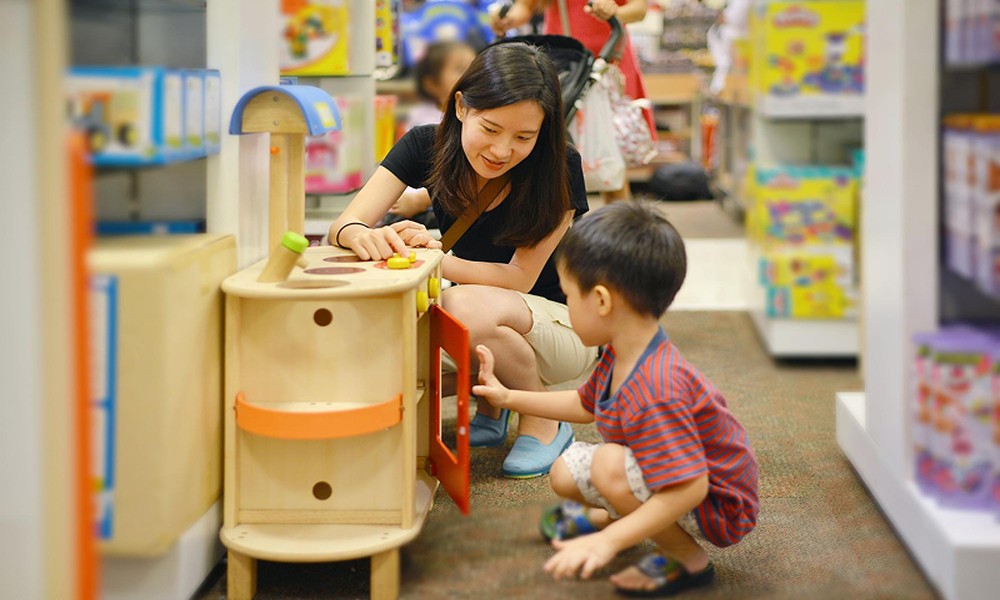
At this age, worksheets are not the priority because play itself forms the heart of learning. Through play, children naturally develop essential skills. Blocks turn into opportunities for problem-solving and creative thinking, sand play helps strengthen fine motor control, and story time nurtures listening skills while sparking imagination.
A strong programme knows that play is serious work. Activities are planned with intention, even if they look effortless. For instance, a simple water-pouring station helps with coordination, concentration and patience. It may seem basic, but the learning runs deep.
Some centres incorporate elements inspired by a Chinese preschool framework, where language exposure begins early and naturally. Songs, simple instructions and daily greetings in Mandarin become part of the routine. Children absorb language the way they absorb everything else at that age, through repetition and rhythm.
Social Skills: The Hidden Curriculum
If academics are the visible layer, social development is the quiet engine underneath.
In a quality playgroup in Singapore, children learn to share, take turns and express simple needs. It is rarely perfect. There will be disagreements over toys and the occasional dramatic protest. Yet these moments are not disruptions; they are lessons in disguise.
Teachers step in calmly, modelling phrases like “Can I have a turn?” or “I feel upset.” Over time, children internalise these cues. The classroom becomes a small society, complete with its own rules and rituals.
Language Foundations And Bilingual Exposure
Singapore’s bilingual landscape shapes many early education choices. Parents often seek environments where English and Mandarin coexist comfortably.
In centres that integrate a Chinese preschool influence, language is woven into daily activities rather than treated as a separate subject. During snack time, teachers might name fruits in both languages. During circle time, familiar nursery rhymes appear in Mandarin.
This consistent exposure builds confidence. Children may not speak fluently overnight, but they grow comfortable hearing and attempting new sounds. That comfort matters later when formal literacy begins.
Most importantly, language learning remains a joyful experience rather than a rigid routine. Instead of drills or pressure, children are immersed in songs, stories, and simple everyday conversations, repeated naturally and often enough to become familiar and meaningful.
A Safe, Thoughtfully Designed Environment
Safety is non-negotiable. Parents should expect secure entry systems, child-proofed furniture and close supervision at all times.
Yet safety goes beyond locked doors. A quality playgroup in Singapore designs its space with clear intention, creating well-defined learning corners and ensuring that materials are placed at child height so children can reach and explore them independently. Outdoor areas allow movement and exploration, which is crucial in a city where children often live in compact flats.
Strong Communication With Parents
Daily updates, whether through apps or quick chats at pick-up, help parents stay informed. Photos of art projects or short notes about milestones create a sense of partnership. When concerns arise, they are discussed early and respectfully.
A centre influenced by a Chinese preschool philosophy may also share cultural celebrations, inviting parents to join festive activities like Lunar New Year crafts or Mid-Autumn storytelling. These shared experiences deepen the school-home connection.
Consistency between home and school reinforces learning. Children thrive when expectations feel familiar and steady.
Teachers Who Truly See Each Child
In a reputable playgroup in Singapore, educators observe closely. They notice who prefers quiet corners and who gravitates towards group play. They adapt activities to suit different temperaments and developmental stages.
Qualifications are important, but warmth and patience carry equal weight. A calm voice during a tantrum. A smile when a child finally manages to zip a bag independently. These moments shape a child’s sense of self.
And that sense of self, built slowly and steadily, becomes the bedrock for future schooling.
Conclusion
A quality playgroup in Singapore is more than a stepping stone to preschool. It is a carefully crafted space where toddlers learn how to be part of a community, how to communicate and how to trust adults outside their family circle.
From structured play to bilingual exposure inspired by a Chinese preschool approach, each element works quietly in the background. The results may not always be visible immediately. Yet over time, confidence grows. Curiosity deepens. Independence takes root.
Choosing the right environment is a significant decision. For families seeking a nurturing, well-rounded programme, now is the perfect time to explore enrolment options. Schedule a tour at Orange Tree Preschool to learn more about how their playgroup can support a child’s early journey.
