

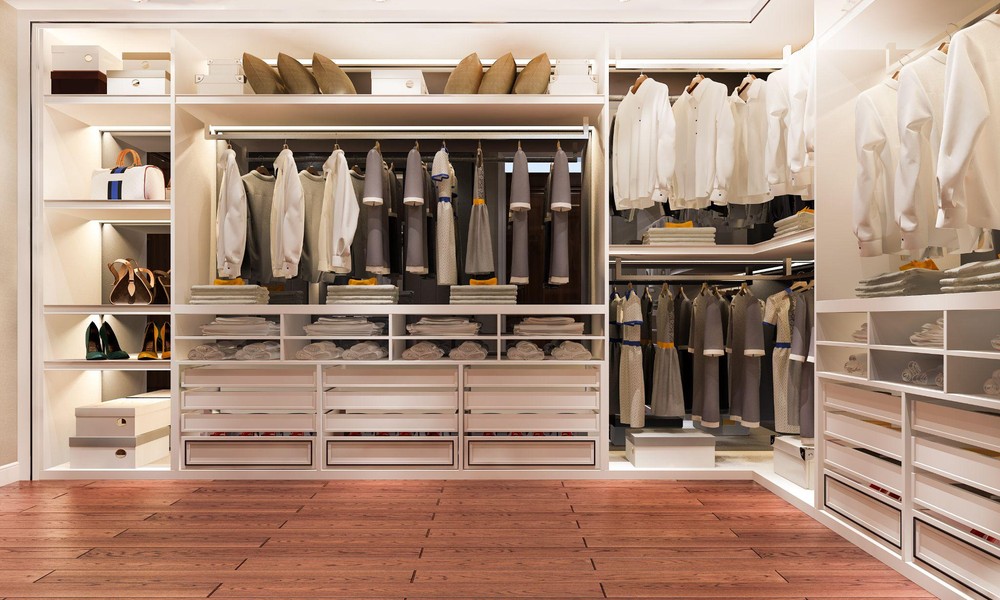
Key Takeaways
- Freestanding wardrobes provide flexible storage without long renovation timelines.
- Adjustable interiors help adapt storage as needs change over time.
- Neutral finishes allow large wardrobes to blend into compact rooms.
Introduction
Choosing a wardrobe in Singapore often comes down to balancing storage needs with space limitations, especially in homes where every square metre matters. Many people explore built-in carpentry first, yet costs and installation timelines can quickly become restrictive. This has led more homeowners in Singapore to consider affordable furniture that offers comparable storage capacity without permanent alterations. A freestanding wardrobe offers immediate usability and can adapt to changing layouts, which suits both renters and those planning gradual home updates. When selected carefully, it can support long-term organisation without requiring a full renovation commitment.
1. Prioritise Vertical Storage Capacity
Maximising height allows a wardrobe to store more without increasing its footprint, which becomes especially useful in smaller bedrooms. Tall units with multiple compartments create distinct zones for different clothing types, reducing the need for additional furniture. This approach helps maintain a cleaner layout while keeping everyday items within reach. When vertical space is used effectively, the room feels less crowded despite increased storage capacity.
2. Choose Adjustable Internal Configurations
Wardrobes with flexible shelving and hanging options adapt better to changing storage needs. Adjustable components allow users to shift between hanging garments and folded items without replacing the entire unit. This flexibility becomes useful when wardrobe contents change across seasons or as personal needs evolve. Over time, this adaptability helps extend the usefulness of the furniture without requiring additional purchases.
3. Opt for Sliding Door Mechanisms
Door design affects how easily a wardrobe fits within a room layout. Sliding doors remove the need for clearance space, which allows placement in tighter areas without obstructing movement. This feature proves especially helpful in bedrooms where furniture placement already feels constrained. By reducing the space needed for access, sliding doors improve overall room flow and make storage more convenient to use daily.
4. Incorporate Built-In Drawer Sections
Integrated drawers provide dedicated space for smaller items, which helps reduce clutter across other surfaces. Instead of relying on separate storage units, a wardrobe with built-in drawers keeps everything contained within a single structure. This arrangement simplifies organisation and supports a more streamlined room design. Keeping related items together also makes daily routines more efficient.
5. Select Neutral or Reflective Finishes
The visual impact of a wardrobe influences how spacious a room feels. Neutral tones blend more easily with existing interiors, while reflective surfaces such as mirrored panels help distribute light. These design choices prevent the wardrobe from dominating the space visually. When the furniture integrates well with its surroundings, the room maintains a balanced and comfortable appearance.
6. Evaluate Material Durability and Hardware
A wardrobe functions as a daily-use item, which makes durability an essential factor. Strong materials and reliable hardware ensure that doors and drawers operate smoothly over time. Paying attention to construction quality reduces the likelihood of wear-related issues that disrupt usability. Investing in well-built, affordable furniture in Singapore ensures that cost savings do not come at the expense of long-term reliability.
7. Plan Placement for Accessibility and Flow
Positioning affects how effectively a wardrobe supports daily use. Placing it in an accessible yet unobtrusive location allows easy access without interrupting movement within the room. Considering how doors open and how frequently items are used helps refine placement decisions. A well-positioned wardrobe contributes to a more organised environment and supports consistent use without inconvenience.
Conclusion
A well-chosen wardrobe can support both organisation and comfort when it aligns with the space it occupies. By focusing on structure, adaptability, and placement, it becomes possible to achieve efficient storage without relying on permanent solutions. This approach allows homeowners to maintain flexibility while keeping their living space practical and uncluttered.
Get in touch with TheFurniture to discover reasonably priced furniture in Singapore and a wardrobe that optimises your storage requirements.
