

Key Highlights
- Building deep abdominal strength creates a natural corset that stabilises the vertebrae.
- Mastering proper breathing techniques is essential for maintaining intra-abdominal pressure during movement.
- Safe core training for spinal issues focuses on stability and endurance
- Integrating functional core awareness into daily activities prevents further injury.
Introduction
Developing a resilient core is often the most significant step an individual can take toward regaining mobility after a spinal injury. For anyone navigating the discomfort of a slipped disc, understanding how to engage these muscles without causing further strain is vital. A strong core acts as a shock absorber, distributing weight evenly and ensuring that the delicate discs between your vertebrae are not subjected to excessive force.
The Architecture of a Resilient Deep Core
The core is a complex system involving the transversus abdominis, multifidus, and pelvic floor muscles, all of which work in harmony to support the spinal column. When a slipped disc occurs, the structural integrity of the spine is compromised, making this internal support system even more critical. Unlike superficial muscles used for lifting or twisting, these deep stabilisers are responsible for maintaining a neutral spine during everyday tasks.
Breathing as a Foundation for Spinal Safety
Many people underestimate the connection between the diaphragm and the lower back, yet proper breathing is the first step in core stabilisation. Diaphragmatic breathing helps regulate intra-abdominal pressure, which provides a cushion for the lumbar spine from the inside out. When you hold your breath or breathe shallowly into the chest during exertion, you lose this internal support, placing the full burden of the movement on your joints and discs. Learning to exhale during the most difficult part of an exercise or activity ensures that your core remains active and engaged.
The Hazard of Improper Engagement Techniques
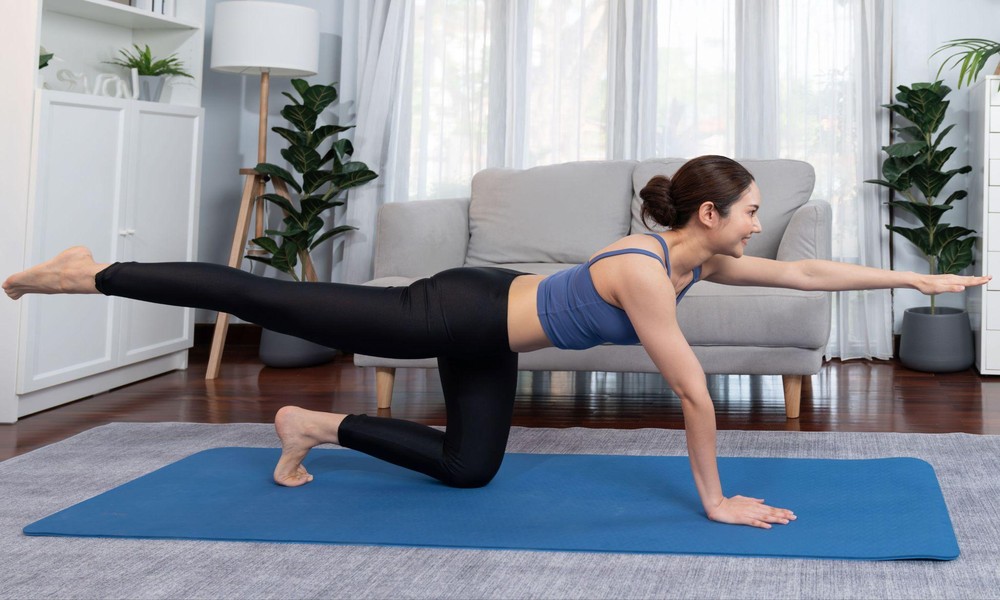
Traditional crunches and heavy twisting motions often involve excessive spinal flexion or rotation, which can push disc material further toward the nerves. For someone with a slipped disc, the goal should be spinal neutrality. This means practising exercises where the spine stays still while the limbs move, such as planks or dead bugs. Avoiding high-impact or high-velocity abdominal workouts prevents the shearing forces that often aggravate disc protrusions.
Functional Movements Over Aesthetic Abdominal Training
True core strength is not about how many repetitions you can perform on a gym mat, but how well you can move in the real world. Functional core training involves mimicking the movements you do every day, such as getting out of a car or carrying groceries. By integrating core awareness into these actions, you protect your back from the unexpected jolts and strains of daily life. For a person recovering from a slipped disc, this might involve learning how to hip hinge rather than bending at the waist.
Implementing Gentle Progressive Overload
Recovery is a marathon, not a sprint, and increasing the difficulty of your core routine must be done with extreme care. Progressive overload involves gradually increasing the challenge to your muscles to build endurance over time. You might start with simply holding a muscle contraction for five seconds and gradually work up to longer durations or more complex positions. If an increase in difficulty leads to tingling or sharp pain, it is a clear signal to scale back.
The Role of Mobility in Core Functionality
A strong core cannot function correctly if the surrounding joints are stiff or immobile. Improving the flexibility of your hips and upper back ensures that your lumbar spine does not have to overcompensate for lack of movement elsewhere. Instead, your muscles and joints work together to maintain a healthy, upright posture that keeps spinal pressure at a minimum throughout the day.
Daily Habits That Reinforce Core Strength
Formal exercise sessions are only a small part of the day, which is why your sedentary and active habits matter so much. Practising active sitting, where you occasionally engage your midsection and check your posture, can make a significant difference in how your back feels by the evening. Similarly, being mindful of how you stand or reach for objects keeps the core muscles primed and ready. Over time, these small adjustments become second nature.
Conclusion
Building core strength is a transformative strategy for anyone looking to manage spinal health and overcome the limitations of a slipped disc. By focusing on deep muscle activation, proper breathing, and functional movement, you provide your spine with the stability it needs to function without pain. It is important to remember that progress requires a cautious and informed approach, prioritising the quality of movement over the quantity of exercise. A well-supported spine is the key to long-term mobility, allowing you to return to the activities you love.
To develop a personalised rehabilitation plan and protect your spinal health, get in touch with Achieve Spine & Orthopaedic Centre for expert guidance today.
