

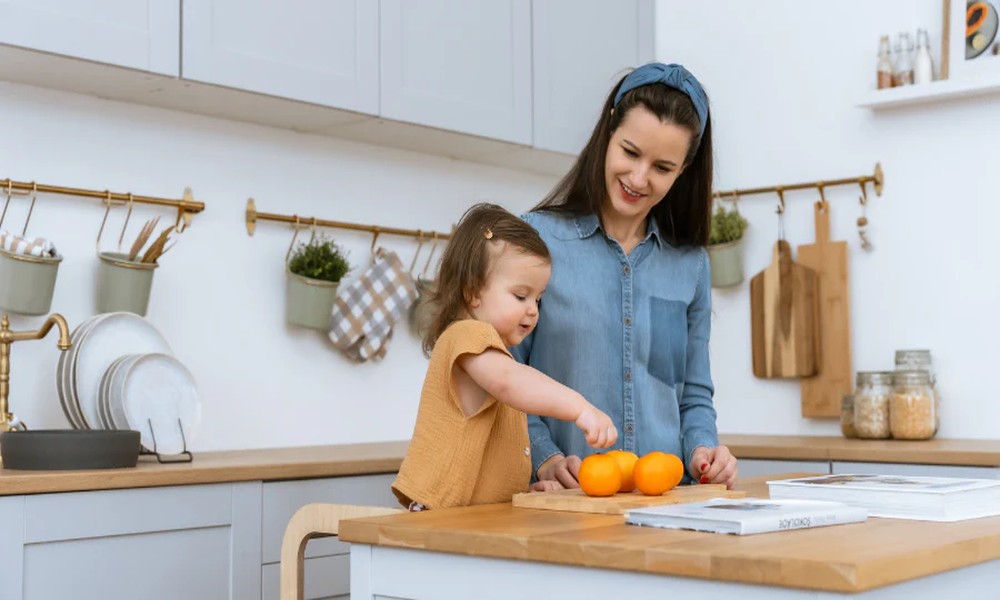
Children may not always understand adult problems, but they quickly notice changes in the emotional atmosphere around them. A stressful household can affect how children behave, communicate, and respond to challenges at school or in relationships. Stability at home gives children a sense of comfort because they know what to expect emotionally and physically each day.
Creating a stable environment does not require a perfect family or a completely stress-free household. Most children simply benefit from consistency, emotional support, and reliable routines. Healthier communication and more balanced routines can gradually make a household feel calmer and emotionally safer for children. For certain families rebuilding stability after difficult periods, structured accountability approaches involving Soberlink may also support efforts to strengthen reliability and trust at home.
Key Takeaways
- Stable routines help children feel emotionally secure
- Calm communication reduces stress inside the home
- Emotional consistency strengthens trust between parents and children
- Healthy boundaries support better family relationships
- Small daily habits can improve the overall home environment
Why Stability Matters for Children
Children depend heavily on routine and emotional predictability. When daily life feels chaotic or uncertain, children may struggle with anxiety, frustration, or emotional withdrawal.
A stable home environment helps children feel protected. Simple things like regular mealtimes, bedtime routines, and consistent communication patterns create reassurance because children know what to expect.
Emotional stability matters just as much as physical structure. Children are strongly influenced by how adults handle stress, disagreements, and unexpected situations. Calm reactions and respectful communication often help children feel more emotionally secure.
Over time, these experiences shape how children approach relationships, confidence, and emotional regulation later in life.
Consistent Routines Create Comfort
Children often feel calmer when daily routines remain predictable. Structure gives them a sense of control and familiarity, especially during stressful periods.
Simple habits can make a meaningful difference. Family dinners, regular homework schedules, bedtime conversations, or weekend activities all contribute to emotional consistency. These routines do not need to be complicated to be effective.
Consistency also reduces confusion. Children are less likely to feel emotionally overwhelmed when household expectations remain clear and dependable.
Parents sometimes underestimate how comforting ordinary routines can become for children. Repeated positive experiences often create stronger emotional security than occasional big gestures.
Communication Shapes the Emotional Atmosphere
The way adults speak to one another strongly influences the emotional tone of a household. Children often absorb tension even when conflict is not directed toward them.
Homes with constant yelling, emotional unpredictability, or unresolved conflict may cause children to feel anxious or emotionally guarded. In contrast, respectful communication teaches children that difficult conversations can happen without fear or hostility.
Parents do not need to avoid all disagreements completely. Healthy conflict resolution can actually help children learn communication skills. What matters most is how those disagreements are handled.
Listening calmly, speaking respectfully, and apologizing when necessary all contribute to a healthier emotional environment at home.
Emotional Availability Builds Trust
Children are more likely to feel emotionally safe when they know adults are available and attentive. Emotional availability means paying attention not only to behavior but also to feelings and emotional needs.
Sometimes children act out because they feel misunderstood, stressed, or disconnected. Emotionally available parents are often better able to recognize these signals early instead of reacting only to surface behavior.
This type of connection helps strengthen trust between parents and children. Kids are generally more willing to communicate openly when they believe they will be heard without immediate anger or criticism.
Strong emotional trust often becomes one of the most important foundations of a stable home environment.
Healthy Boundaries Support Stability
Stability also depends on healthy boundaries inside the household. Children benefit from knowing expectations, routines, and limits clearly.
Boundaries help create structure while also teaching responsibility and respect. Consistent rules around communication, screen time, school responsibilities, or household behavior can reduce confusion and unnecessary conflict.
Healthy boundaries apply to adults as well. Parents who manage stress constructively and maintain respectful interactions often create a calmer atmosphere overall.
Children tend to feel safer in homes where behavior feels consistent rather than emotionally unpredictable.
Building Reliability through Structured Habits
For some families navigating recovery-related changes, soberlink may become part of a broader effort to maintain accountability while restoring dependable routines at home. In these situations, stability often develops gradually through consistent behavior, open communication, and structured daily habits that help reduce uncertainty within the family environment.
These approaches are usually most effective when emotional support and healthy communication remain central within the household.
Small Changes Often Have Lasting Effects
Creating a more stable home does not usually happen through one major decision. In many families, progress begins with small changes repeated consistently over time.
Parents who improve communication, establish healthier routines, and become more emotionally aware often notice gradual improvements in family relationships. Children may become calmer, more communicative, and emotionally confident when they feel secure in their environment.
Even small moments such as listening attentively after school, sharing meals together, or maintaining bedtime routines can strengthen emotional stability significantly.
A Stable Home Helps Children Thrive
Children grow best in environments where they feel emotionally supported, respected, and safe. Stability helps reduce anxiety while encouraging healthier emotional development and stronger communication skills.
Although every family faces challenges, consistent routines, calm interactions, and emotional availability can create meaningful positive change over time. A stable home environment is not built through perfection. It grows through dependable daily actions that help children feel secure, valued, and connected within the family.
