

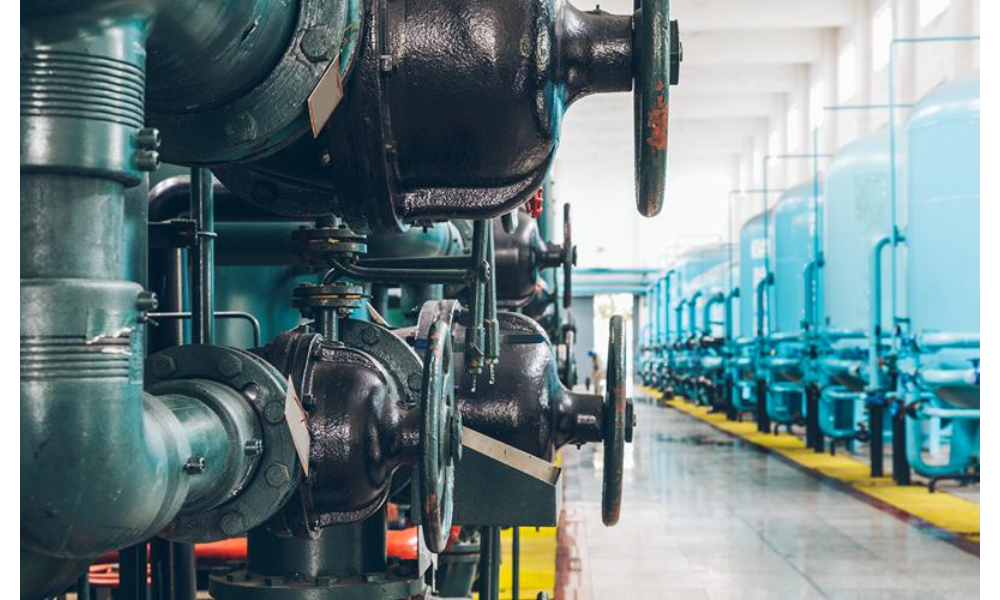
Marine operations demand reliability and precision. Every component on a vessel performs a specific function, and marine valves stand among the most critical. They control, regulate, and isolate fluid systems essential for propulsion, ballast, and firefighting. Without dependable valves, ships risk malfunction, leakage, or even catastrophic failure. Understanding how a marine valve functions helps illustrate how vessels sustain safe and efficient operations throughout their journeys.
Regulating Flow to Maintain Operational Stability
Marine systems rely on precise flow control to maintain balance and functionality. A marine valve manages liquids and gases within pipelines, ensuring steady distribution between propulsion, cooling, and hydraulic systems. These valves withstand harsh maritime environments, including high pressure and corrosion from saltwater exposure. Their durable design allows ships to maintain consistent operations while minimising downtime.
Engine rooms use various valve types to direct fuel, lubricants, and water across engines and auxiliary equipment. Accurate flow control prevents overpressure, ensuring machinery operates under safe conditions. Well-maintained valves reduce risks of mechanical strain, improving energy efficiency and extending equipment lifespan. By continually adjusting flow rates, engineers maintain optimal pressure levels, safeguarding performance and fuel efficiency during extended voyages.
Preventing Leakage and Ensuring Containment Safety
Safety at sea depends heavily on preventing leaks and maintaining containment integrity. A marine valve acts as a gatekeeper, stopping fluid escape during operation or maintenance. Tight sealing mechanisms protect against hazardous spills, which can lead to fire risks or environmental contamination. Onboard systems, such as oil transfer lines and ballast water tanks, rely on dependable sealing performance to maintain environmental compliance.
Leak prevention contributes not only to crew safety but also to regulatory compliance. Marine authorities enforce strict guidelines on emissions and waste discharge, requiring ships to install high-quality valves that meet international standards. Regular inspection and replacement schedules keep the vessel’s systems secure. Failure to maintain these components can result in fines, downtime, or severe mechanical damage.
Cameron DEMCO valves, known for their robust construction, provide consistent sealing capability even under fluctuating pressure conditions. Their design supports reliable shutoff performance, offering vessels a dependable safety mechanism in critical systems where containment cannot be compromised.
Supporting Efficient Engine and Machinery Operations
Efficiency remains central to maritime engineering. Every piece of equipment, from boilers to compressors, relies on precision flow management. A marine valve helps regulate temperature, pressure, and supply consistency, ensuring engines perform within designated parameters. Ships operating with optimised valve systems experience reduced fuel waste and enhanced mechanical coordination.
Cameron DEMCO valves deliver consistent control across demanding operational environments. Their standardisation allows seamless integration into propulsion and auxiliary systems, reducing maintenance complexity. Operators benefit from uniform performance, enabling better resource allocation and quicker troubleshooting.
Efficiency extends beyond energy use. Proper valve selection and calibration minimise vibration, reduce wear, and support smoother operations throughout long-distance voyages. Maintenance teams can identify potential inefficiencies early, maintaining consistent output with minimal disruption. Through reliable valve function, vessels sustain smoother manoeuvring, predictable speed control, and reduced mechanical stress.
Enhancing Fire Protection and Emergency Systems
Marine safety depends on readiness for emergencies, particularly fires or mechanical failures. A marine valve plays an essential part in fire suppression systems, directing water or foam where needed. Automatic and manual control systems depend on precise valve performance for rapid deployment. Failure in a single valve could compromise the entire safety network.
Cameron DEMCO valves have proven durability in high-pressure firefighting lines and water spray systems. Their resistance to corrosion ensures continued functionality even after long exposure to humid or saline conditions. By maintaining dependable flow control, these valves help ensure that firefighting systems perform instantly during an emergency.
Their use in ballast systems also contributes to vessel stability during emergencies, enabling quick redistribution of water for balance correction. Through precision and reliability, these valves form a critical component of the ship’s overall safety architecture.
Driving Compliance and Reducing Maintenance Costs
Maritime operations follow international standards for equipment integrity, including the International Maritime Organisation (IMO) and classification societies’ regulations. A marine valve designed and maintained under these standards ensures operational compliance and reduces unexpected repair costs. Efficient valve systems lower energy waste and prolong machinery service intervals.
Cameron DEMCO valves support maintenance efficiency through modular construction, allowing quick replacement without full system disassembly. Their proven design helps operators maintain compliance while keeping downtime minimal. Predictive maintenance supported by inspection schedules further enhances long-term cost management.
Cost efficiency stems from reliability. Investing in high-quality valves prevents recurring failures, cutting back on emergency repairs and downtime losses. Proper installation, calibration, and inspection practices contribute to consistent vessel performance and regulatory peace of mind.
Contact OTOM Services today for top-quality marine valve solutions and Cameron DEMCO valves designed for reliable performance in oil and petrochemical applications. Strengthen vessel safety and achieve operational efficiency with trusted engineering expertise.
