

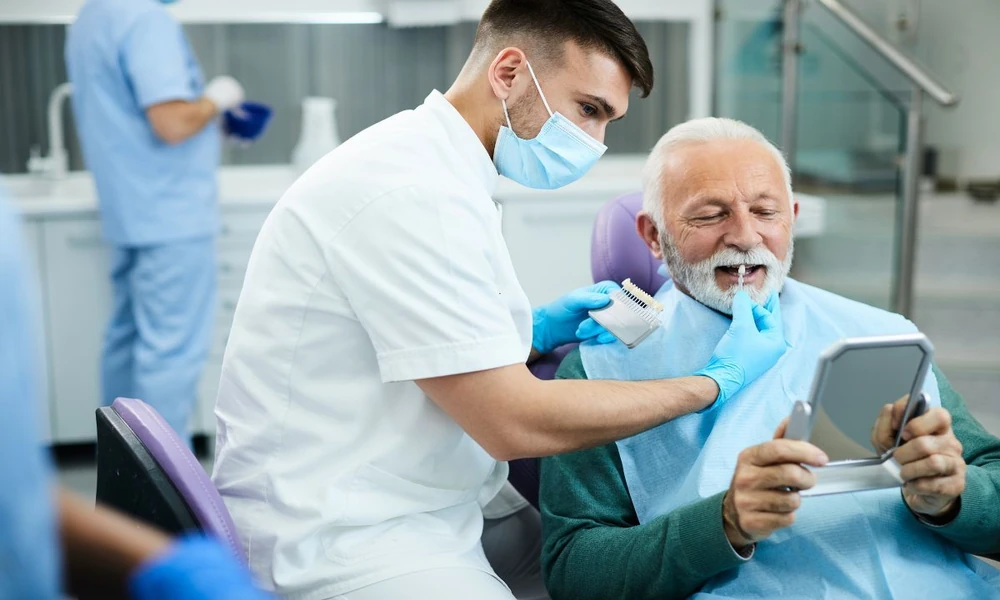
You may have noticed small changes that add up. A tooth feels sensitive when you drink coffee. Dentures that used to fit fine now rub your gums. Dry mouth makes eating less enjoyable, and brushing can feel harder if your hands are stiff or sore. These are common issues as you get older, and they can wear on you more than people realize. A family dentist in Birmingham can help address these concerns and keep your mouth comfortable and healthy.
Oral health is tied to comfort, nutrition, sleep, and confidence. When your mouth hurts, meals become work. Conversations feel awkward. A small dental problem can turn into a larger one if it gets ignored. The good news is that a family dentist can help you stay ahead of these changes with steady, practical care. Dental care for seniors is not about chasing perfection. It is about keeping your mouth comfortable, functional, and healthy enough for daily life.
Family dentists address the oral changes that come with age
Aging affects the mouth in ways that are easy to miss at first. Gums may recede, which exposes sensitive root surfaces. Medications can reduce saliva, and that raises the risk of cavities and mouth sores. Older fillings, crowns, and bridges may start to wear down. If you have arthritis, Parkinson’s disease, or limited mobility, brushing and flossing can become harder even when you are doing your best.
This is where a family dentist helps in a very direct way. Regular visits give you a chance to catch decay, gum disease, denture irritation, oral infections, and bite changes before they become painful or costly. Cleanings remove plaque that is tough to manage at home, especially around dental work. Exams also help spot signs of oral cancer, which becomes more common with age.
Some people assume tooth loss or mouth pain is just part of getting older. It is not something you have to accept. A family dentist can adjust dentures, treat gum disease, repair damaged teeth, recommend fluoride, and suggest easier home care tools. That support often means the difference between getting through the day and enjoying it.
Comfortable smiles depend on prevention, not just repair
When older adults wait until something hurts, treatment often becomes more involved. A dry mouth that seemed minor can lead to fast moving decay. A loose denture can create sore spots that make eating difficult. Bleeding gums can point to gum disease, which may lead to tooth loss if it is not treated.
Senior dental care works best when it stays simple and consistent. Preventive visits help your dentist track changes over time. That matters because your mouth does not exist in isolation. Diabetes, heart disease, osteoporosis, and medications can all affect oral health. A family dentist can look at the full picture and adjust care based on your medical history, comfort level, and goals.
Trusted health sources support that approach. The National Institute on Aging shares guidance on taking care of your teeth and mouth as you age. The National Institute of Dental and Craniofacial Research also offers resources for older adults and oral health needs. The CDC provides clear oral health tips for adults, including daily habits that protect teeth and gums.
Family dentist care helps older adults avoid common setbacks
It often starts with one issue, then another follows. You avoid chewing on one side because of a sore tooth, then your bite feels off. You skip crunchy foods, then your diet narrows. You stop smiling in photos because your dentures shift. None of that sounds dramatic, but it affects daily life in quiet, steady ways.
A family dentist can reduce those setbacks by focusing on function. That may mean smoothing a rough filling, treating decay early, checking the fit of partials or dentures, or helping with dry mouth relief. It may also mean showing a caregiver how to help with brushing if memory loss or physical limits are involved. Good care is not one size fits all. It changes with your needs.
Home care and professional dental care work best together
| Concern | What home care can do | What a family dentist can do |
|---|---|---|
| Dry mouth | Drink water often, use sugar free gum or lozenges, avoid tobacco and alcohol based rinses | Identify medication related causes, recommend saliva support products, watch for decay and sores |
| Gum bleeding | Brush gently twice a day, clean between teeth daily | Check for gum disease, provide deep cleaning or treatment if needed |
| Denture discomfort | Clean dentures daily, remove them as directed, report sore spots early | Adjust fit, check gum health, screen for infection or pressure areas |
| Tooth sensitivity | Use toothpaste for sensitivity, avoid very acidic foods if they trigger pain | Look for root exposure, cracks, decay, or worn dental work |
| Harder brushing due to arthritis | Use an electric toothbrush or enlarged handle grips | Recommend easier tools and routines that match your mobility |
Simple steps can make family dental care easier right away
1. Track the changes you feel. Write down dry mouth, sore spots, chewing trouble, bleeding, bad breath, or denture movement. Small details help your dentist find patterns and solve problems faster.
2. Bring your medication list to appointments. Many prescriptions affect saliva, gum health, and healing. A complete list gives your dentist context that matters for safe, effective treatment.
3. Make home care easier, not harder. Switch to tools that fit your hands and routine. An electric toothbrush, floss holder, interdental brush, or fluoride rinse may help you stay consistent. If a caregiver helps you, ask the dentist for a simple daily plan.
Comfort, function, and confidence can last longer with the right support
How Family Dentists Help Older Adults Maintain Comfortable Smiles comes down to something simple. Regular care protects your comfort before problems take over. A family dentist can help you eat with less pain, speak with more ease, and keep your smile working well for the life you live now. If something feels off, do not wait for it to get worse. Schedule a visit and get the support you need.
