

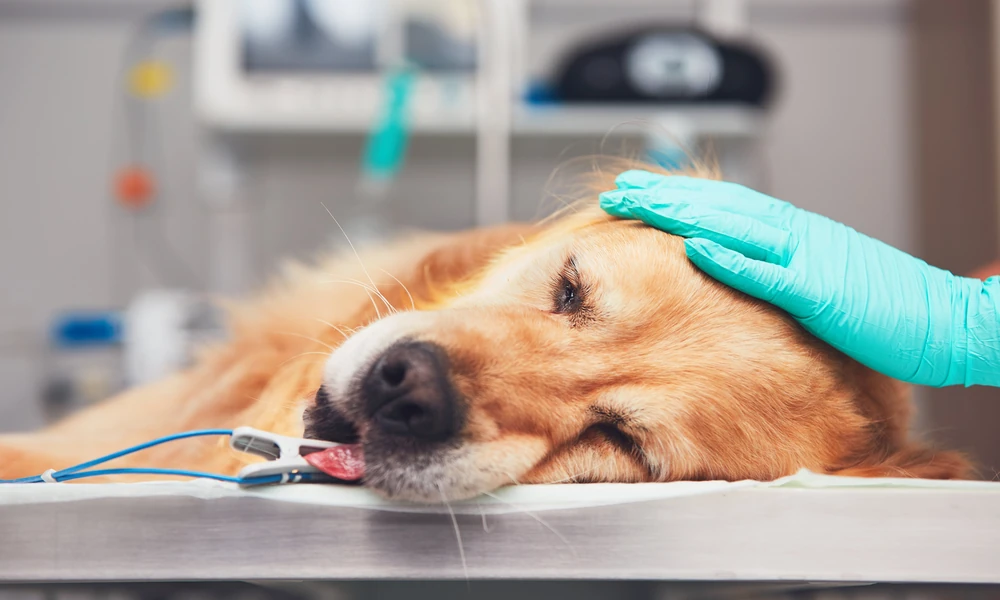
You do not usually plan for the moment your pet needs surgery. Sometimes it is a routine spay, a dental extraction, or lump removal. Sometimes it is a midnight emergency after a blocked bladder, a broken bone, or a swallowed toy. Either way, the same fear shows up fast. You want to know who is watching your pet, what can go wrong, and whether the hospital is truly ready if things change in a second. If you are looking for an exotic pet veterinarian in Alexandria, VA, that confidence matters even more when fast decisions are needed.
That worry makes sense. Surgery is never just one event. It starts before the first incision and keeps going through anesthesia, monitoring, pain control, recovery, and follow up. The short version is simple. Good animal hospitals prepare by checking your pet’s health in advance, building an anesthesia plan, setting up sterile equipment, assigning trained staff to each role, and staying ready to respond if a routine case turns critical.
Animal hospital surgery preparation starts long before the procedure
Most people picture surgery as the time spent in the operating room. The real work starts earlier. A veterinary team reviews your pet’s history, current medications, breed related risks, age, weight, and any prior reaction to anesthesia. Bloodwork often follows because liver and kidney function affect how anesthesia is processed. In some cases, chest X rays, ultrasound, or ECG testing are added when a pet has heart disease, breathing issues, or a complex condition.
This step matters because two pets having the same procedure may need very different plans. A young healthy dog coming in for a routine spay is not managed the same way as a senior cat with kidney disease needing a mass removed. The surgery may look similar on paper, but the preparation does not.
Anesthesia planning is one of the biggest parts of safe care. Hospitals choose medications based on the pet, not just the procedure. That includes premedication for anxiety and pain, induction drugs to allow intubation, inhalant anesthesia to maintain sleep, and recovery support. Many hospitals follow standards like those outlined by veterinary anesthesiology programs such as the University of Illinois veterinary anesthesiology service, where patient monitoring and tailored drug plans are central to care.
Emergency veterinary surgery demands speed and control at the same time
Emergency cases change the pace, not the need for preparation. If your pet arrives bleeding, struggling to breathe, or in shock, the hospital may have only minutes to stabilize first and operate second. That can feel chaotic from the outside. Inside a strong emergency team, it is controlled and role based.
One technician places an IV catheter and starts fluids. Another runs blood tests. A veterinarian checks oxygen levels, blood pressure, and heart rhythm. Pain relief starts early because untreated pain can worsen stress and instability. Consent, imaging, and surgical planning happen quickly, but they still happen. The goal is not to rush blindly. The goal is to move fast without missing what keeps a pet alive.
This is where emergency pet surgery preparation stands apart from routine scheduling. The team may need blood products ready, backup airway tools, warming devices, suction, and a crash cart stocked for CPR or severe anesthetic events. Emergency and critical care services, like those described by Ohio State’s pet emergency and critical care program, are built around that level of readiness.
Routine and emergency surgical care rely on the same core safety systems
Whether your pet is there for a planned procedure or a crisis, the safest hospitals use the same backbone. They confirm the patient, the procedure, and the surgical site. They sterilize instruments properly. They clip and clean the surgical area in a way that lowers infection risk. They monitor heart rate, oxygen, carbon dioxide, blood pressure, and temperature during anesthesia. They keep detailed records in real time.
Recovery is part of the surgery, not an afterthought. Many complications happen as a pet wakes up. Airway swelling, drops in body temperature, pain spikes, and bleeding can show up there. That is why pets are watched closely after the procedure, often by a technician whose job is recovery monitoring, not multitasking across the hospital.
You may also be worrying about cost, and that concern is real. Better preparation can mean more testing, more staff time, and more equipment. It can also prevent larger problems. Skipping pre op bloodwork to save money may sound reasonable until an undiagnosed issue changes how your pet handles anesthesia. Good hospitals explain what is recommended, what is optional, and what each choice means.
Comparing routine and emergency surgery preparation at an animal hospital
| Area | Routine Surgery | Emergency Surgery |
|---|---|---|
| Timing | Scheduled in advance with fasting and planned testing | Often same day or immediate, with limited time before anesthesia |
| Pre op evaluation | Full history, exam, bloodwork, added imaging if needed | Focused stabilization first, then targeted tests based on urgency |
| Anesthesia plan | Built around known health status and procedure length | Adjusted for shock, trauma, blood loss, breathing trouble, or sepsis |
| Staffing | Planned surgical team with assigned monitoring roles | Rapid response team, often including critical care support |
| Equipment readiness | Standard surgical pack, monitoring, warming, pain control | Standard setup plus crash cart, transfusion support, expanded airway tools |
| Recovery needs | Usually predictable, discharge may be same day | Often intensive monitoring, possible overnight or ICU care |
Veterinary surgery readiness is easier to judge when you know what to ask
You do not need a medical degree to spot good preparation. You need clear answers. Ask who monitors anesthesia and whether that person does only that during the procedure. Ask what pre surgical testing is advised for your pet’s age and health. Ask how pain is managed before, during, and after surgery. Ask what happens if your pet needs oxygen support, CPR, or overnight monitoring.
The answers tell you a lot about the hospital’s systems and whether basic animal hospital safety steps are routine or improvised.
Three steps you can take before your pet’s surgery
1. Bring a complete medication and symptom list. Include supplements, flea products, recent vomiting, coughing, appetite changes, and anything that seems minor. Small details change anesthesia choices.
2. Ask for the actual surgery day plan. Find out when your pet is admitted, when bloodwork is reviewed, who calls you with updates, and what recovery monitoring looks like. Clear expectations lower stress and help you make faster decisions if the plan changes.
3. Prepare your home for recovery before drop off. Set up a quiet space, pick up post op medications in advance if possible, and ask about feeding, activity limits, bandage care, and warning signs. The first night home is easier when you are not figuring it out exhausted and scared.
Surgery is hard on pets and on the people who love them. Preparation is what turns that fear into a plan. When a hospital takes time to evaluate, monitor, communicate, and stay ready for complications, your pet gets safer care from start to finish. If your pet has an upcoming procedure, reach out to your animal hospital and ask for a clear walk through of their surgical process and recovery plan.
