

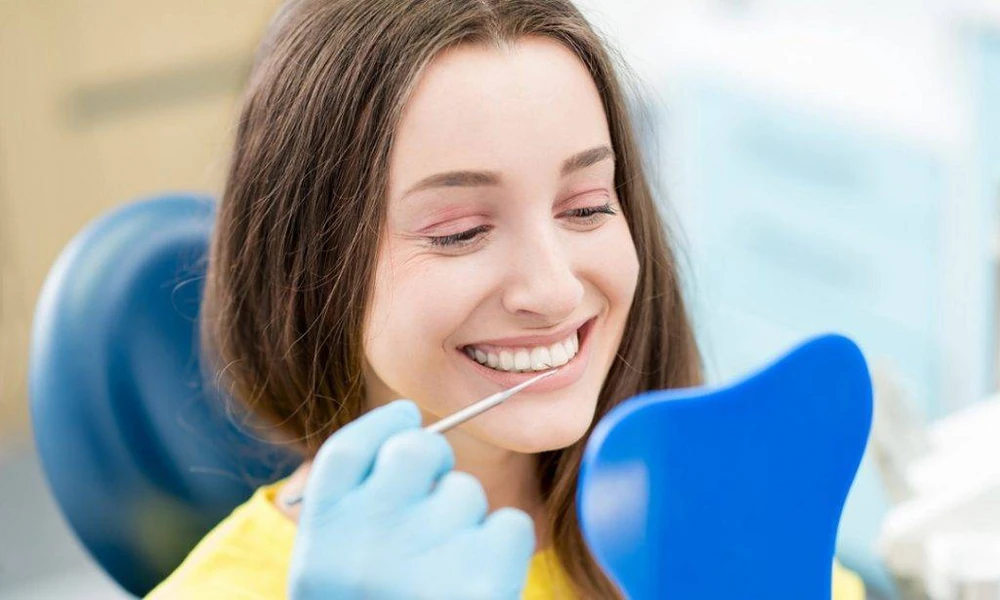
You might be looking in the mirror and noticing more than just a stain, a chip, or a small gap. Maybe you are thinking about the way your teeth feel when you chew, the way your bite lines up, or the way you hold back your smile in photos. That mix of concern and hesitation is common, because dental changes are never only about looks. They affect comfort, confidence, and the small daily habits that shape how you feel. The good news is that several cosmetic options can improve both appearance and function, especially when you work with a family and cosmetic Dentist in Wall Township, NJ who looks at the full picture.
If you are wondering which treatments actually do more than brighten a smile, the short answer is this. Veneers, dental bonding, crowns, clear aligners, and implants can each improve how teeth look while also supporting chewing, alignment, protection, or long term oral health. The right choice depends on what is causing the problem in the first place.
Why do cosmetic dental treatments often help with function too?
It is easy to think cosmetic care is only about appearance, but your teeth do many jobs at once. They help you bite, chew, speak clearly, and keep your jaw balanced. When a tooth is cracked, worn down, crooked, or missing, the issue often starts to spread. You may chew on one side, grind more at night, or feel self conscious enough to avoid smiling or speaking up. Because of that tension, you might wonder whether fixing the look of your teeth can also ease the strain you feel every day. In many cases, it can.
A skilled provider of cosmetic dental enhancements will usually begin with the health of your mouth, not just the color or shape of your teeth. Good care also depends on basics like brushing, flossing, and regular exams, which the National Institute of Dental and Craniofacial Research explains in its guide to oral hygiene and mouth care. Cosmetic treatment tends to work best when the foundation is healthy.
Which 5 smile improvements can change both appearance and comfort?
1. Veneers for worn, chipped, or uneven front teeth. Veneers are thin shells placed over the front of teeth. They are often chosen to improve color, shape, and spacing, but they can also help protect worn enamel and create a more even bite edge. If your front teeth have small chips that catch on your lip or make you bite awkwardly, veneers may improve both appearance and daily comfort.
2. Dental bonding for small repairs. Bonding uses tooth colored resin to rebuild chipped corners, close minor gaps, and smooth rough edges. It is one of the more conservative options, and for the right person, it can restore a cleaner look while helping prevent more wear. A rough edge may seem minor until it keeps irritating your tongue or changes the way your teeth come together.
3. Crowns for weak or damaged teeth. A crown covers the full tooth and is often used when a tooth is cracked, heavily filled, or worn down. Yes, it can make a tooth look natural again, but it also strengthens the structure so you can chew with less risk of further damage. If you have ever tried to avoid one side of your mouth because one tooth feels unreliable, this kind of repair can be a real turning point.
4. Clear aligners for crooked teeth and bite problems. Straightening teeth is not just about neat rows. Aligners can improve crowding, spacing, and bite issues that make cleaning harder or cause uneven wear. The NIDCR has also highlighted how clear plastic aligners can help restore smiles affected by brittle teeth, which shows how appearance and function often overlap. When teeth are easier to clean and better aligned, long term health often improves too.
5. Dental implants for missing teeth. A missing tooth changes more than your smile. It can affect chewing, speech, and how nearby teeth shift over time. Implants replace the visible tooth and the root support beneath it, which helps maintain stability in the mouth. If tooth loss has left you changing what you eat or feeling embarrassed in conversation, implants can address both concerns at once. For people who need a replacement after extraction, MedlinePlus offers a helpful overview of what to expect with dental implants.
How do these dental smile upgrades compare in real life?
So, where does that leave you? Usually with a few good options, each with a different balance of speed, cost, and long term support. A simple comparison can make the choice feel less overwhelming.
| Treatment | Best For | Appearance Benefit | Functional Benefit |
|---|---|---|---|
| Veneers | Chips, stains, uneven shape | Smoother, brighter, more even smile | Protects worn surfaces and improves bite edge |
| Bonding | Small chips, gaps, rough edges | Blends repairs with natural tooth color | Smooths edges and reduces minor irritation |
| Crowns | Weak, cracked, or heavily damaged teeth | Restores natural shape and color | Strengthens tooth for better chewing |
| Clear Aligners | Crooked teeth, crowding, spacing | Straighter smile | Improves bite and makes cleaning easier |
| Dental Implants | Missing teeth | Fills gaps with a natural look | Restores chewing support and limits shifting |
Not every treatment fits every problem. For example, if a tooth is mostly healthy but chipped, bonding may be enough. If the tooth is weak and painful under pressure, a crown may make more sense. That is why cosmetic dentistry treatments should never be chosen from photos alone.
What can you do right now if you are thinking about cosmetic dental care?
1. Write down what bothers you most. Is it color, pain when chewing, crowding, or a missing tooth? The more specific you are, the easier it is to match your goals with the right treatment. “I want a better smile” is a start. “I hide my front teeth and avoid crunchy foods” is much more useful.
2. Ask about function, not just looks. When you meet with a provider, ask how the treatment will affect your bite, cleaning routine, and long term tooth health. The best family and cosmetic dentist will be able to explain both the visual result and the practical effect.
3. Take care of the basics first. If you have gum issues, decay, or heavy grinding, those problems should be addressed before cosmetic work begins. This protects your investment and gives you a result that lasts longer.
Could the right cosmetic treatment help you feel like yourself again?
For many people, yes. The right dental improvement does not just change a smile in photos. It can make eating easier, help speech feel more natural, and remove the daily self consciousness that builds over time. If you have been weighing your options, it may help to start with a clear conversation about what is bothering you and what you want life to feel like after treatment. A thoughtful plan for cosmetic dentistry can support both confidence and comfort, which is often what people wanted all along.
