

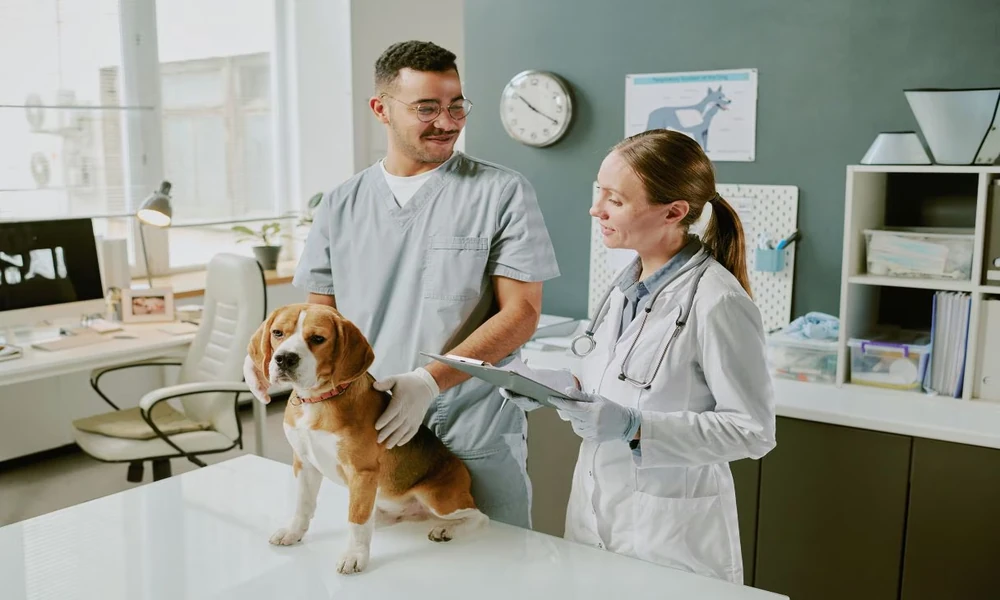
You might be feeling torn between what seems easier and what seems more familiar. Your pet needs care, but the idea of loading them into the car, managing fear, and sitting in a waiting room may already feel like too much. If that sounds familiar, you are not overreacting. Veterinary visits can be stressful for pets and for the people who love them. The short version is simple. The main differences usually come down to stress level, convenience, and the kind of care each setting can provide on the spot, especially when considering an Annapolis mobile vet.
That tension matters because the right choice is not only about your schedule. It is also about how your pet handles change, whether you need routine care or urgent diagnostics, and how much support you want in your own home. When you compare mobile vets vs traditional clinics, the answer is rarely one size fits all.
Why do mobile veterinarian visits feel so different from clinic appointments?
The first big difference is the environment. A traditional clinic asks your pet to leave their safe space, get into a carrier or car, hear strange sounds, smell unfamiliar animals, and then wait. For some pets, that is manageable. For others, it can trigger shaking, whining, hiding, or aggression that seems to appear out of nowhere.
That is one reason many owners look for ways to make vet visits easier. Virginia Tech offers helpful advice on creating stress free veterinary trips, and Cornell also shares tips on how to make veterinary visits less stressful for dogs. Those tips can help, but some pets still struggle even with careful preparation.
A mobile veterinarian changes that starting point. Instead of asking your pet to adapt to a clinic, the visit happens where your pet already feels safest. That often means a calmer exam, better behavior, and a clearer picture of how your pet is really doing. If your cat hides under the bed at every sign of a carrier, or your older dog becomes stiff and anxious in the car, that difference can be more than convenient. It can change the whole experience.
So where does that leave you when you need actual medical care?
The second difference is medical scope. A mobile vet can usually handle many routine and preventive services, including wellness exams, vaccines, quality of life checks, minor illness evaluations, and some lab work. For families with multiple pets, young children, or a senior animal who struggles with travel, that can be a relief.
But there is a limit, and it is important to be honest about it. Traditional clinics usually have more equipment on site. If your pet needs X rays, surgery, hospitalization, oxygen support, or advanced imaging, a clinic is often the better fit. In an emergency, the ability to move straight from exam to treatment can matter a great deal.
Think of it this way. If your dog needs a routine checkup and gets carsick every time you drive, an in home appointment may be the kindest path. If your cat is having trouble breathing, delaying clinic level care would be risky. That is why many people do not choose one over the other forever. They use a mobile veterinarian for routine care and a clinic when more advanced treatment is needed.
Is convenience the only reason people choose a house call vet?
Convenience is part of it, but it is not the whole story. The third difference is how care fits into your real life. A clinic visit often takes more time than the exam itself. There is packing, driving, waiting, and then the trip home with a stressed pet. If you work long hours, care for children, or have a pet with mobility issues, that process can become a barrier to getting care at all.
A house call vet removes many of those steps. The appointment happens at home, often with more time for conversation and fewer distractions. You may feel more able to ask questions, notice small changes in your pet, and follow through on care plans. For older pets, end of life discussions, or anxious animals, that slower and more personal setting can feel gentler.
Of course, convenience can affect cost. Mobile services may include a travel fee, while clinics may offer lower pricing for some routine services because everything is centralized. So the better question is not just, “Which costs less?” It is, “What makes care more realistic and less stressful for my pet and my household?”
What are the practical differences between a mobile vet and a traditional clinic?
| Category | Mobile Vet | Traditional Clinic |
|---|---|---|
| Stress for many pets | Usually lower because the pet stays at home | Often higher due to travel, waiting rooms, and unfamiliar smells |
| Convenience | High for busy families, seniors, and multi pet homes | Requires transport, check in, and waiting time |
| Routine care | Commonly available for exams, vaccines, and follow ups | Widely available |
| Advanced diagnostics and surgery | Limited on site | More available in one location |
| Emergency support | Not ideal for many urgent situations | Usually better equipped for urgent or critical care |
| Travel related needs | Helpful for exams and paperwork planning, depending on service | Also useful, especially when testing or certificates are required |
If you are planning interstate travel with a pet, it also helps to review official rules ahead of time. The USDA provides current guidance for state to state pet travel, which can help you understand what documents or health checks may be needed.
What can you do right now if you are trying to choose?
1. Start with your pet’s stress pattern. Think about what usually happens before, during, and after a vet visit. Does your pet pant, vomit, hide, or refuse food afterward? If travel is the hardest part, a mobile veterinary service may be worth serious consideration.
2. Match the setting to the medical need. Use home visits for wellness care, behavior discussions, rechecks, or senior pet support when appropriate. Use a traditional clinic when your pet may need imaging, surgery, or emergency treatment. You do not have to force one option to handle everything.
3. Ask practical questions before booking. Find out what services are offered at home, what happens if your pet needs more testing, how prescriptions are handled, and whether follow up care is coordinated with a local clinic. Clear answers now can save stress later.
How do you make the best choice without second guessing yourself?
You do not need a perfect answer. You need the one that makes care more likely, more humane, and more workable for your pet’s real needs. For some families, that means the familiarity and equipment of a clinic. For others, it means the calm and ease of veterinary care at home. Both have a place, and choosing thoughtfully is already a good step.
If your pet has been avoiding care because the trip itself feels overwhelming, it may be time to consider whether a mobile veterinarian is the better fit. A calmer visit can lead to better exams, better follow through, and less stress for both of you.
