

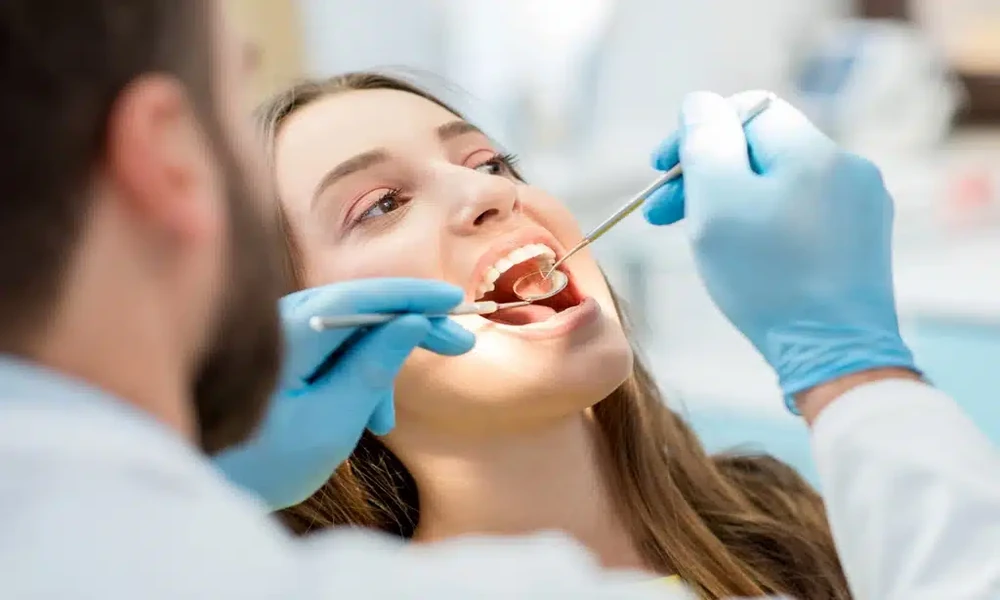
You catch your tooth in the mirror and there it is, a tiny chip that nobody else may even notice, yet you can feel it with your tongue every few minutes. That small rough edge starts to take up a lot of space in your head. You may be wondering if you are overreacting, if it will get worse, or if fixing it is more trouble and cost than it is worth. A Lake Forest CA dentist can help you understand your options and decide whether that small chip needs attention.
That reaction makes sense. A minor chip can be purely cosmetic, or it can be the first sign that a tooth is under stress. The short answer is this: dental bonding for a small chipped tooth is often worth considering when the chip changes how your tooth feels, looks, or functions, but not every tiny chip needs treatment right away. The choice depends on where the chip is, whether it exposes sensitive areas, and how much it bothers you day to day.
A Tiny Chip Can Stay Small or Turn Into a Bigger Problem
Some chips involve only the enamel, which is the hard outer layer of the tooth. In those cases, the issue may be a rough edge or a slight change in appearance. According to MedlinePlus guidance on broken or knocked out teeth, even minor tooth damage should be evaluated when there is pain, sensitivity, or a visible break, because deeper injury is not always obvious from the outside.
If the chip is on a front tooth, you may notice it every time you speak or smile. If it is on a biting edge, it may catch on your lip or make chewing feel off. A chip that seems minor can also create weak points. A little crack or missing corner may collect plaque more easily, wear unevenly, or keep chipping if you grind your teeth at night.
This is where people often get stuck. You do not want to spend money on something that seems small, but you also do not want to ignore it and end up needing a larger repair later. That tension is real. A quick fix can feel unnecessary until the tooth becomes sensitive to cold water, or a smooth little chip turns jagged after one hard bite.
Dental Bonding Is Often the Middle Ground for a Tiny Tooth Chip
Cosmetic bonding for a chipped tooth is usually one of the simplest professional options. A dentist applies a tooth colored resin, shapes it to match the tooth, then hardens and polishes it. The goal is to restore the shape, smooth the edge, and blend the repair into your smile.
For many tiny chips, bonding makes sense because it is conservative. Very little, if any, healthy tooth structure needs to be removed. That matters when the damage is small and you want to keep treatment simple. The National Institute of Dental and Craniofacial Research explains in its dental materials overview that resin based materials are commonly used for repairs because they can bond directly to tooth surfaces and match natural tooth color.
Bonding is not perfect. It can stain over time, and it is not as strong as a crown or veneer. If you bite your nails, chew ice, or clench your teeth, the repair may chip again. That does not mean bonding is a poor choice. It means the best option depends on your habits, the size of the chip, and how much force that tooth handles every day.
When a Tiny Chip Needs More Than a Cosmetic Fix
If the chip is painful, sensitive, or close to the nerve, the issue may go beyond appearance. A deeper fracture can expose dentin, the softer layer under enamel, which is one reason cold drinks suddenly start to sting. In more serious cases, trauma can affect the pulp inside the tooth. The clinical review in StatPearls on tooth fractures describes how treatment depends on fracture depth and symptoms, not just on the size of the visible chip.
This is why a tiny chip on one person can be a watch and wait situation, while the same size chip on someone else calls for prompt treatment. A front tooth with a shallow enamel chip may need only smoothing or bonding. A back tooth with a chip and pain when biting may need a different approach entirely.
Comparing Your Options for a Small Chipped Tooth
| Option | Best For | Pros | Limits |
|---|---|---|---|
| No immediate treatment, monitor | Very tiny enamel chip with no pain or roughness | No upfront cost, no procedure | May worsen, rough edges can irritate, hidden damage may be missed |
| Smoothing or polishing | Small rough edge with minimal missing tooth structure | Fast, simple, often low cost | Only works when little reshaping is needed |
| Dental bonding | Small visible chip or shape loss on front or side teeth | Tooth colored, conservative, usually completed in one visit | Can stain or chip over time, may need repair or replacement |
| Veneer or crown | Larger damage, repeated chipping, or structural weakness | More durable and stable for bigger defects | Higher cost, more tooth alteration, not usually first choice for a tiny chip |
If the chip is truly tiny, the real decision is often between leaving it alone, smoothing it, or getting bonding. That is why the phrase dental bonding for a tiny chip matters so much. You are not choosing between doing nothing and getting a major restoration. You are usually choosing between a small professional correction now and the chance of a bigger annoyance later.
Three Smart Steps You Can Take Right Away
1. Check for warning signs. Pay attention to pain, cold sensitivity, bleeding around the tooth, sharp edges, or a change in your bite. Those signs make the decision easier because they point toward an exam sooner rather than later.
2. Protect the tooth until you are seen. Avoid biting hard foods on that side. Skip ice, hard candy, and nail biting. If the edge is sharp and irritating your cheek or tongue, dental wax from a pharmacy can give short term relief.
3. Get a professional opinion before assuming it is cosmetic only. A family and cosmetic dentist can tell whether the chip is limited to enamel, whether bonding is a good fit, and whether a simple polish would do the job. That visit can save you from either over treating a minor issue or underestimating a deeper one.
Small Repairs Can Make a Big Difference in Comfort
A tiny chip can seem too small to matter until it starts pulling your attention every time you eat, talk, or look in the mirror. If it is smooth, painless, and barely visible, monitoring it may be reasonable. If it is rough, noticeable, or sensitive, bonding is often a practical way to restore the tooth without turning a minor problem into a major one.
You do not need to guess your way through it. A careful exam can tell you whether a simple polish, a small bonding repair, or no treatment at all makes the most sense for your tooth.
