

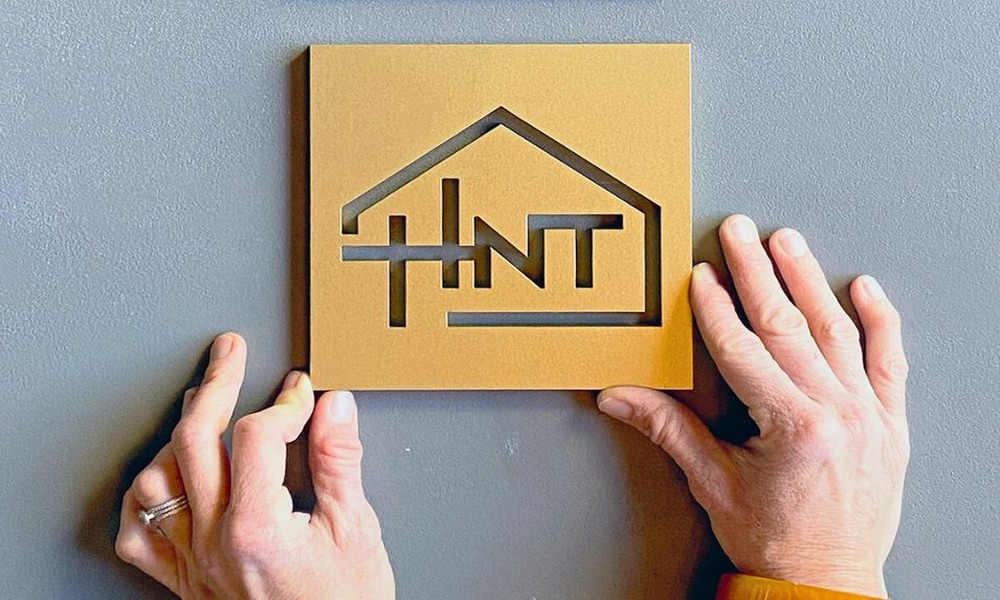
First impressions are made long before anyone knocks at the door or steps inside a building. They start at the threshold, with the address sign or logo that quietly introduces a home or business to the world. But how do these small details become such powerful storytellers? The journey from tradition to custom design reveals just how much thought goes into every digit and letter.
Early Traditions in Address Signage and Branding
The Origins of House Numbers and Signs
Centuries ago, house numbers served a simple, utilitarian purpose: to help postal workers and visitors find their way. Early address signs were practical, painted by hand onto doors or entrance stones, often with no concern for typeface or artistry. They were designed to withstand weather and time, but rarely to stand out.
Early Logo Design for Businesses
Logos have deep historical roots too. Long before branding became a modern buzzword, shopkeepers and craftsmen marked their storefronts with symbols that could be recognized by anyone, regardless of literacy. A painted boot for the cobbler, a loaf of bread for the baker, these early logos were functional markers long before they evolved into the sophisticated designs we see today.
Materials and Techniques of the Past
Wood, wrought iron, and stone dominated traditional sign making. Artisans used chisels, paint, and patience, often relying on locally available materials. Durability was essential, but these materials limited both creativity and personalization, keeping most address signs and logos firmly within practical conventions.
The Shift to Personalized and Custom Designs
Growing Demand for Unique Home Address Signs
Today’s homeowners want more than visibility; they want their address sign to reflect personal style. This shift towards individuality has sparked a renaissance in custom sign design, with clients requesting everything from minimalist brass numbers to playful, oversized fonts in custom colors.
The Rise of Custom Logos in Branding
The same desire for uniqueness drives the evolution of business signage and logos. Modern brands see their signage as the first handshake with customers, seeking bold, memorable logos that capture their values and personality at a glance. This has led to an explosion of creativity in commercial sign design.
Impact of Architectural and Environmental Considerations
Contemporary design acknowledges context. Signage must complement a building’s architecture while respecting the neighborhood’s character and the local environment. Creative teams now consider factors like sunlight, landscaping, and street visibility with each new project.
Modern Design Principles Behind Personalized Address Signs
Balancing Visibility, Aesthetics, and Durability
Good signage is easily seen, beautifully crafted, and built to last. Designers balance these priorities, ensuring numbers and letters are legible from the street but still harmonize with the property’s design. Failures in any of these areas can mean a sign that is either ignored or quickly worn out.
Selection of Fonts, Colors, and Finishes
Choosing the right font matters more than most people realize. Sans-serif styles typically offer maximum readability, while decorative fonts add flair. Color and finish selection is another art, requiring an eye for contrast and context: a matte black on red brick, for instance, makes for easy reading and timeless style.
Sustainability and Material Innovation
Modern customers increasingly seek eco-friendly signs, pushing designers to explore recycled metals, sustainably sourced woods, and powder-coated finishes that resist weather without harsh chemicals. Longevity and environmental responsibility go hand in hand.
The Collaborative Creative Process
Initial Consultation and Vision Gathering
Every great sign begins with a conversation. Designers listen closely to homeowners or business clients, gathering ideas, inspirations, and practical needs. This early exchange sets the stage for a tailored design.
Drafting and Revising the Design
Using digital sketches and material samples, designers present concepts to the client. Feedback flows freely; details are tweaked, sizes adjusted, and colors refined until the design feels exactly right.
Incorporating Client Feedback
Revisions are not a chore but a collaboration. Modern sign makers invite clients to comment and suggest changes, sometimes iterating several times before reaching a final drawing that everyone loves.
Craftsmanship and Production Techniques
Handcrafted Versus Machine-Made Options
While technology has improved precision, there is still a strong demand for hand-finished details. Some clients prefer the charm of hand-painted numerals, while others opt for laser-cut steel for exact uniformity.
Quality Assurance and Longevity Guarantees
Meticulous inspection ensures each piece meets high standards for finish and endurance. The best makers, such as sign maker Orthografica, back their work with lifetime guarantees, a testament to the enduring value of craftsmanship.
Customization Options: Sizes, Styles, and Mounting
Clients can choose from an array of sizes and styles to suit different facades. Mounting can be flush, floating, or post-mounted, allowing for further personalization and perfect integration with the property.
Integrating Personalized Signs into Home and Business Environments
Harmonizing with Architectural Styles
A modernist home might call for sleek, minimalist numerals, while a Victorian facade looks best with ornate, serifed fonts. The goal is always unity between sign and structure.
Wayfinding and Functional Considerations
Beyond aesthetics, signs must serve their primary function: guiding visitors, delivery people, and emergency responders quickly and clearly. Wayfinding is an art in itself, demanding strategic placement and clear paths.
Enhancing Brand Identity Through Signage
For businesses, a sign is often the most visible expression of brand identity. The right logo or sign can make a business memorable before a single word is exchanged.
Future Trends in Personalized Sign and Logo Design
Advances in Materials and Technology
Innovations such as weatherproof composites and smart, illuminated signs are expanding what’s possible in both form and function, combining beauty with resilience.
Increasing Role of Sustainability
Eco-consciousness is no longer optional. Designers are embracing biodegradable materials and finishes that protect both signs and the planet.
Expanding Customization Possibilities
With digital design tools and rapid prototyping, custom signs can now be imagined, refined, and delivered in weeks rather than months, unlocking creativity for projects of all sizes.
Bringing the Design to Life: From Order to Delivery
Finalizing the Design and Placing the Order
Once the design is approved, orders are placed with all specifications in hand, setting the production in motion.
Production Timeline and Shipping
High-quality personalized signs typically ship within three to four weeks, arriving ready to install.
Installation Tips and Aftercare Recommendations
Proper installation ensures both beauty and function, secure mounting and thoughtful placement are key. Regular cleaning and an occasional check for loose fittings will help a sign remain striking for years to come.
A personalized address sign or logo is never just a number or a mark. It is the silent ambassador that greets the world every day, reflecting care, creativity, and identity with every glance.
